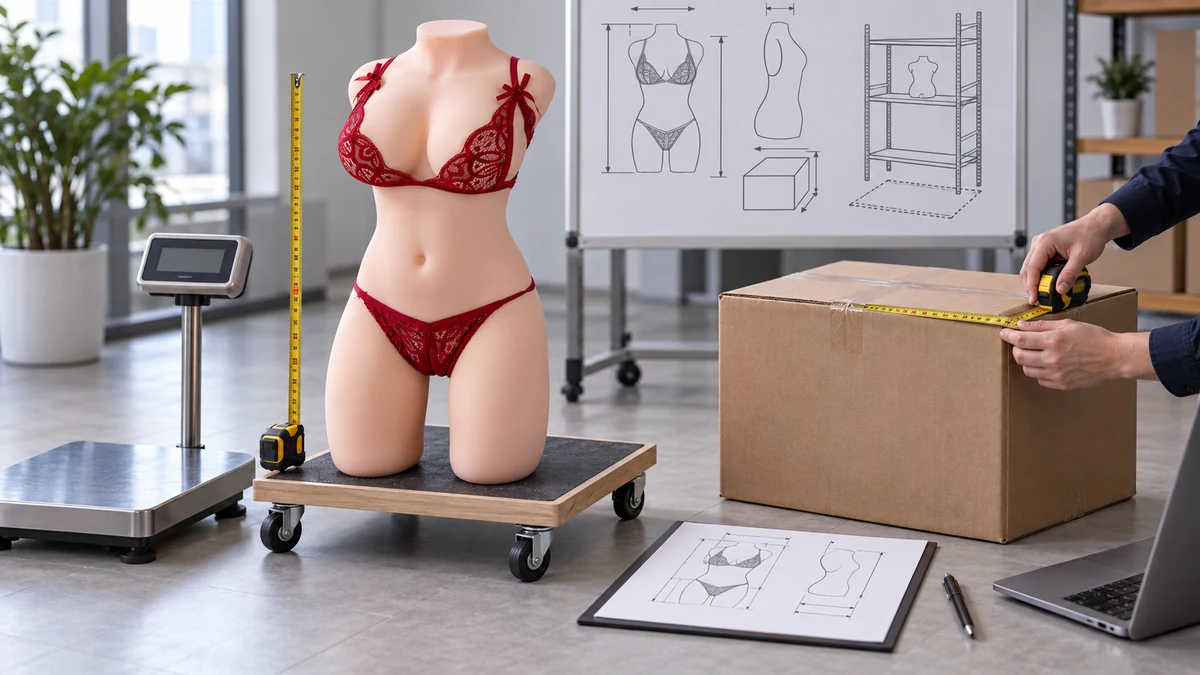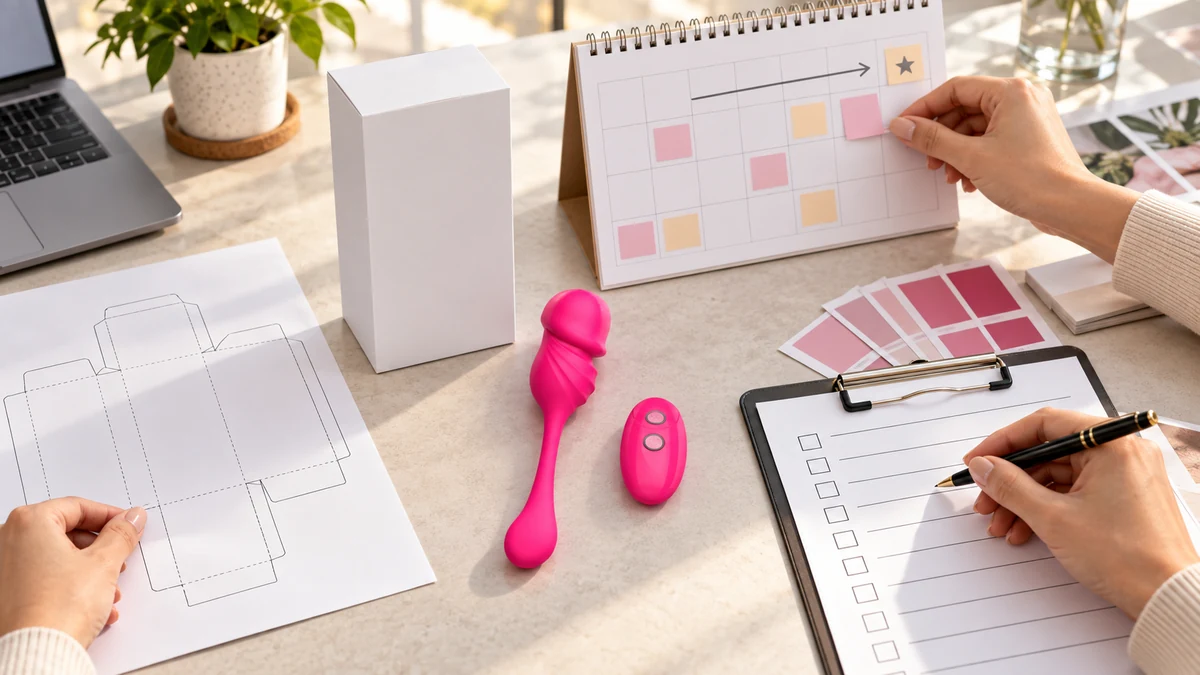
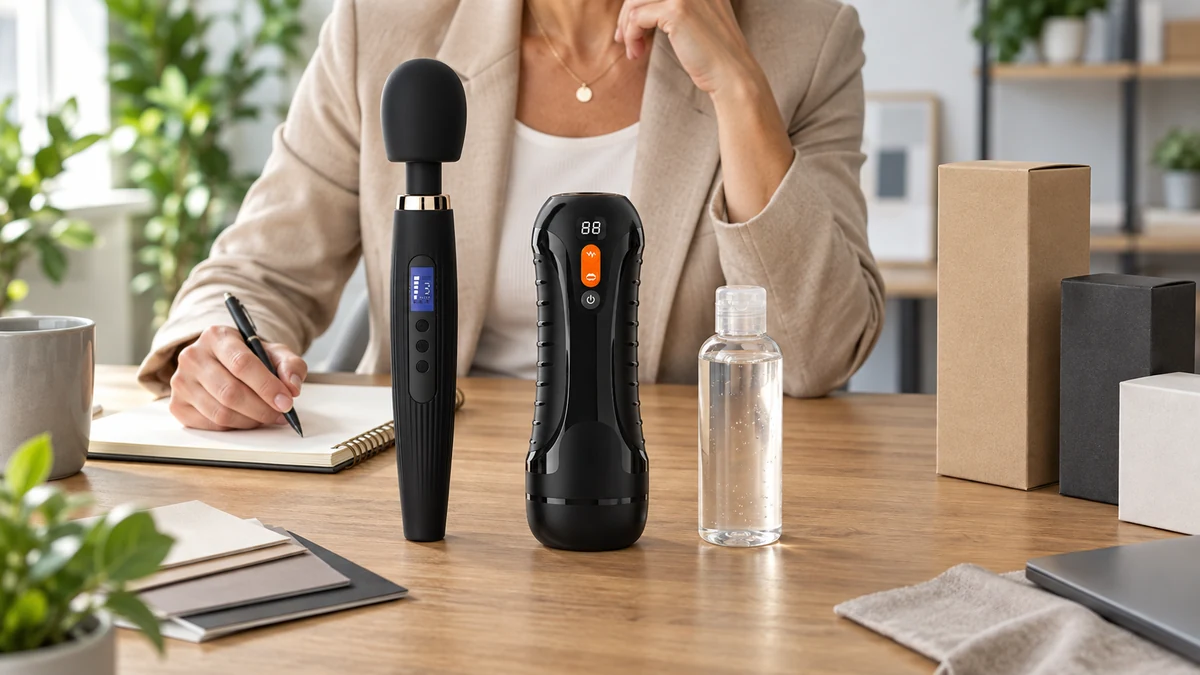
A sex toy brand should add a second category when the new category answers a customer demand it can point to, reaches substantially the same audience, and can be tested without weakening the products that already sell. A large supplier catalog is not a reason to expand. Evidence from your own store is.
The practical question is not, "What else can we put our logo on?" It is, "Which unanswered buying problem is already appearing in our current business?"
Start with the demand gap, not the supplier catalog
Brands often meet expansion ideas in the wrong order. A supplier shows several attractive products, the brand chooses a few, and only later asks how they fit the customer base. That approach can create more content work, more packaging, more stock and more customer service questions without creating a stronger offer. The same discipline used to compare ready stock and private label products should also be used to decide whether the category itself belongs in the range.
Reverse the order. Begin with signals already visible in your business:
- Customers repeatedly ask for a function or product type you do not carry.
- Site search, inquiry messages or sales conversations show the same missing need.
- Customers buy your current product, then purchase a related item elsewhere.
- Your existing audience, content and channel can explain the new category without becoming a different brand.
- Your present range has stable sell through or repeat orders, so a controlled test will not consume all available attention and cash.
One signal is interesting. Several signals pointing to the same gap are a reason to investigate.
This is consistent with a basic category planning principle: use sales and customer feedback to define the category opportunity, then monitor performance and possible cannibalization. Shopify's overview of category planning is a useful general reference. Your own store data still matters more than a general trend article.
A second category must do a different job
The new category should add a clear reason to buy, not duplicate the current range in another shape.
For example, imagine a brand built around wand vibrators. Adding another wand with a slightly different color may increase choice, but it does not necessarily expand the customer's reason to visit the brand. A compact wearable product could address discretion and hands free use. A male product could open a different customer group. A lubricant could increase basket completeness and support repeat purchase behavior.
These are different category jobs. The best choice depends on the demand gap you can actually see.
Write one sentence before requesting samples:
We are testing this category for customers who need ______, because our current range does not solve ______.
If the sentence is vague, the category is not ready.
Check audience overlap before adding operational complexity
A second category is easier to launch when the existing buyer can understand why it belongs in the same store. Check four types of overlap.
1. Buyer overlap
Can you describe the likely buyer using the same audience profile you already serve? A related need inside the same audience is normally easier to test than a completely new audience.
2. Channel overlap
Can your current website, email list, retail partners or content channels introduce the product? If the new category requires a new acquisition channel, new policy expertise and new creative language at the same time, the test contains several risks rather than one.
3. Price and purchase overlap
Does the category fit the spending level and purchase occasion your customers already understand? A product can be adjacent in function but difficult to sell if its price, education burden or return risk is far outside the current range.
4. Operational overlap
Can your team handle the product data, media, packaging, charging information, customer questions and after sales process? A category that looks easy on a price list can create work across the entire product page and order process. A complete ecommerce product data package should be part of the launch decision, not a task discovered after stock arrives.
Use a category test card before building the range
A short decision card makes the expansion concrete. Complete these fields for one proposed category:
- Customer problem: What specific need is not covered today?
- Evidence: Which searches, questions, orders or partner requests show it?
- Audience overlap: Which current customer group is most likely to buy it?
- Distinct role: What job does it perform that the current range cannot?
- Supply facts: What are the verified MOQ, carton quantity, lead time, packaging options and product specifications?
- Content burden: What images, instructions and comparison content are needed?
- Test rule: What result would justify a reorder, a revision or a stop?
This card prevents a common mistake: approving the product first and inventing the commercial reason afterwards.
How many SKUs should the first category test include?
There is no universal SKU number that fits every brand. Use the smallest set that can answer the buying question.
A useful planning structure is:
- One clear lead product that represents the new category.
- One accessible alternative if price or size is a real decision barrier.
- One additional option only when it solves a different customer question, such as control method, use case or form factor.
This is a planning method, not an industry benchmark. If two products serve the same customer, price level and function, they may divide a small amount of traffic without teaching you much. If each product has a distinct role, even a compact test can produce clearer information.
Decide in advance what counts as progress
Do not judge a new category only by total sales. Record what happened at each step:
- Product page visits and qualified inquiries.
- Add to cart or sample request behavior.
- Questions that repeatedly block the purchase.
- Sales by SKU after each item has received comparable visibility.
- Repeat orders or replenishment requests.
- Support, return or product data issues that reduce the real margin.
A product with modest first sales may still reveal strong interest if customers are stopping on a missing specification, unclear image or unsuitable pack quantity. A product with a few early sales should not become a core item if it only received more exposure than the others.
Review the test after it has received meaningful traffic and after at least one realistic replenishment decision can be observed. The exact time depends on your traffic, sales cycle and channel. A fixed number of days is less useful than a clear evidence threshold. The same principle applies when testing product variants: compare fair exposure and repeated demand before promoting an option to core status.
Protect the category that already works
Expansion is not successful if it weakens availability, content quality or customer service for the existing range. Before placing the test order, reserve the cash and operational time required for current best sellers.
Then ask three questions:
- Can the new category be tested without delaying a proven reorder?
- Can the team give the new products complete data and images before launch?
- Can the result be traced by SKU rather than mixed into total store sales?
If the answer is no, the brand may need better preparation rather than more products.
How AIYUEWEI Can Help
AIYUEWEI can help a brand compare adjacent product categories without treating the full catalog as a recommendation. We can organize candidate products by customer problem, form factor, function, price position and intended channel, then confirm available specifications, sample options, MOQ, carton details and packaging conditions for the selected models.
We can also map each candidate to the product information and image set needed for an ecommerce listing. This makes it easier to see whether a category is commercially ready before a larger order is discussed. Availability, MOQ, lead time and packaging details are confirmed for the actual selection and quotation rather than assumed from a generic rule.
Frequently Asked Questions
Will a second category reduce sales of my current products?
It can if the new items solve the same problem at the same price and receive the same message. Define a distinct customer job for the new category, then compare sales and customer behavior by SKU. Some overlap is normal, but the expansion should create additional demand or a more complete purchase rather than only move sales between similar items.
Should I launch several products so the new category looks complete?
Not automatically. A large launch can hide which product or function created the result. Start with the smallest set that represents genuinely different buying choices, then add depth when the evidence supports it.
When should a brand stop a category test?
Stop or revise when the category receives fair visibility but still produces weak qualified interest, repeated objections that cannot be solved profitably, or operational demands that damage the existing range. Record the reason. A documented stop is useful because it prevents the same unsupported idea from returning later.
The next step
If you are deciding which category should follow your current range, send AIYUEWEI the products you already sell, the customer questions you receive and the market you serve. We can prepare a focused category gap comparison with relevant product options and the supply facts that need confirmation before a test order.