A customer says a vibrator will not turn on. Your team sends the supplier a message saying “the product is broken”. The supplier asks which model, which order, whether it charged and what the indicator did. By the time those answers arrive, the customer has already asked again.
Better sex toy after sales starts with a usable handoff, not a longer apology. A retailer needs to distinguish a setup question from a suspected fault, record enough information for a supplier to act, and keep the customer informed without promising a replacement that has not been approved.
Start with the symptom, not a diagnosis
“It does not work” can describe several different situations. The device may show no charging indicator, charge but not start, start but not respond to the remote, or stop unexpectedly. Those are different support questions. Ask the customer which one they mean before discussing a remedy.
Use the instructions for the exact model. Confirm the supplied cable, the specified power input, the correct button sequence and any travel lock. For a remote product, separate local button operation from remote pairing. Do not assume that a cable which physically fits is electrically suitable. LELO's charging guidance, for example, identifies a model exception rather than treating every charger as interchangeable. That is a reference for the importance of model specific instructions, not a charging rule for other suppliers' products.
Keep the checks short and safe. Do not ask a customer to open a sealed device, bypass a battery or repeatedly charge a product that is overheating or visibly damaged. Move an unsafe or unresolved case to the supplier rather than attempting a repair. Lovense's troubleshooting guidance also treats excessive heat as a reason to stop and contact support.
Send one complete case instead of six separate messages
A useful case can fit into a short record:
- Product identity: your SKU, the supplier's model code, colour and product version.
- Order identity: the purchase order or invoice reference, delivery date and batch or lot reference if available.
- Observed symptom: what happens when charging, pressing the local button or using the remote.
- Checks completed: the exact instruction followed, the supplied cable used and the indicator behaviour.
- Evidence: a clear product photo or short video showing only the device, controls and relevant indicator.
- Requested next action: technical guidance, confirmation of a suspected fault, an accessory review or a proposed replacement route.
A video does not need to show a customer's body, face, home address or private use. Use your own case number when forwarding evidence. Keep the customer contact details in your store's support system.
This is not an unusual requirement. Lovense's warranty guidance asks for order information and evidence of the issue. The practical lesson is to prepare a record that identifies the item and demonstrates the symptom. It does not mean copying another brand's warranty period into your own terms.
What a useful handoff looks like
The following is a planning example, not an actual customer complaint:
Case RS014. Store SKU VIB204, supplier model recorded on PO246. Delivered on 12 September. The customer reports no charging indicator. The supplied cable was used according to the model's instructions, and the product remained unresponsive. The attached video shows the charging connection and the local power button. Please review whether further checks are needed and confirm the proposed remedy and shipping arrangement.
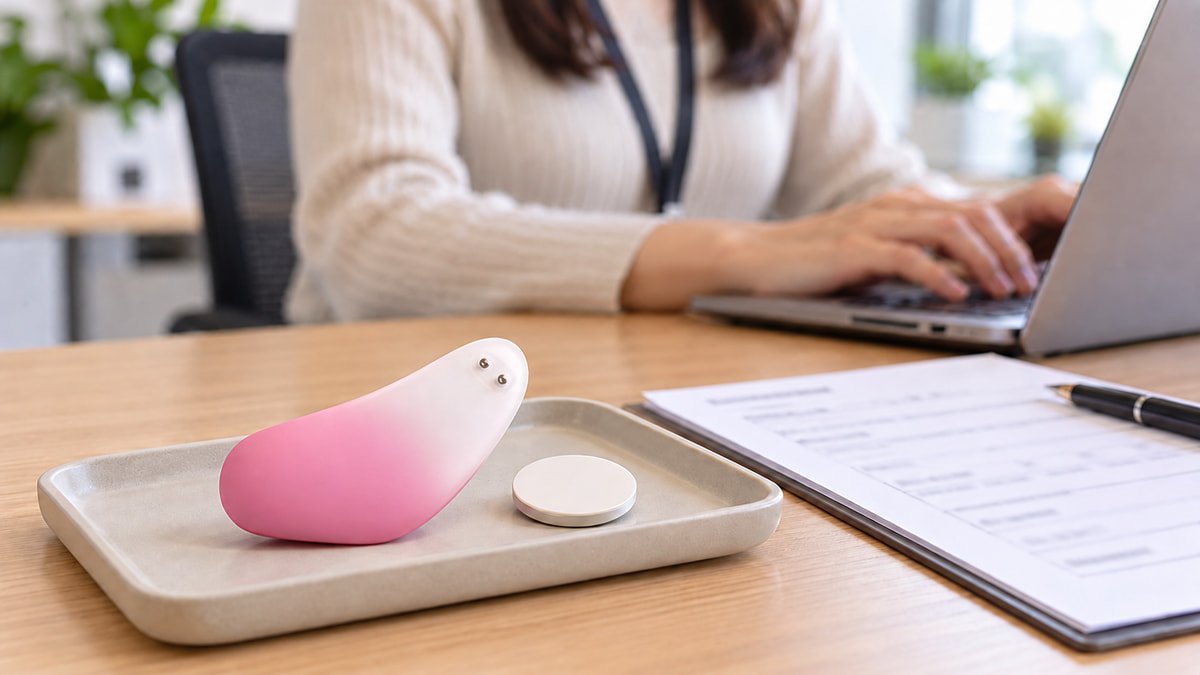
This gives the supplier something to investigate. It is more useful than sending a close photo of a pink product and asking for “one new unit”. It also keeps your store's item code separate from the supplier's model code, which matters when several similar products use different cables or controls.
Record those codes before the first sale. Our guide to sex toy product data for ecommerce explains why instructions and configuration belong in the product data pack, not only in a supplier chat.
Agree on the commercial route before you need it
A small accessory issue, a confirmed device fault and an unopened unwanted item should not automatically follow the same route. Before placing a wholesale order, settle what evidence is required, who reviews it, whether the item must be returned, who pays any approved transport cost, and how a replacement or credit is authorised.
For rechargeable products, ask whether matching spare cables or remotes can be supplied and how their compatibility will be identified. Do not buy generic spares because the connectors look similar. Availability, price and order quantity need confirmation for the selected model.
If you are a distributor, agree on a common case format with your retailers. You can consolidate already reviewed cases, but do not postpone urgent customer responses or safety escalations until the next bulk order. Your supplier agreement and your responsibilities to consumers are separate questions. For EU sales, Your Europe's consumer guarantee guidance distinguishes legal rights from an additional commercial warranty. Check the applicable market requirements when writing your own policy.
Use the outcome to fix the next sale
After a case closes, record the final outcome: instructions clarified, accessory replaced, fault confirmed, or another explanation. Keep “not yet assessed” separate from “no fault found”. Do not count every support message as a defective unit.
If several customers ask the same charging question, improve the listing or quick start card. If the same symptom appears repeatedly for one batch, send the grouped observations to the supplier with the batch reference. If different colours or versions are hard to identify, improve the SKU record. Our article on sex toy RFQs and product options shows why a precise specification is valuable before purchase as well as after it.
How AIYUEWEI Can Help
AIYUEWEI can help connect a retailer's product record with the relevant supply and production information. For a shortlisted rechargeable model, we can coordinate confirmation of the operating instructions, cable or remote requirements, and the information needed for a supplier review.
When an issue arises, send us the model and order reference, the observed symptom and the product only evidence. We can coordinate the review with the relevant production partner and clarify the proposed next step. This gives your team one organised supplier conversation instead of separate, incomplete messages about the product and its accessories.
The applicable warranty terms, remedy, spare availability, cost and timing must be confirmed for the order. They are not universal promises. If you are preparing a wholesale purchase, send your rechargeable product shortlist and sales market so we can help define the support handoff before the products reach your customers.
Questions Retailers Ask
Can AIYUEWEI help us keep supplier model codes separate from our own SKUs?
Yes. Share your proposed SKU list and the shortlisted models. We can help align the model references and confirmed configuration so that a later support case identifies the correct product rather than relying on appearance alone.
Can we plan spare charging cables with the first wholesale order?
Ask us to check compatible accessories alongside the product shortlist. We can coordinate model specific availability and quotation. Do not assume that every cable or remote is stocked or interchangeable.
Should we promise an immediate replacement before the supplier has reviewed the case?
Your store must meet its own applicable customer obligations, but do not describe an unapproved supplier remedy as already agreed. We can help clarify the supplier review and proposed commercial arrangement, while your team keeps the customer informed through its own support policy.