By Felix Yang
Low MOQ can limit inventory exposure, but it does not make an unfocused trial useful. A good first order should answer one commercial question, use a controlled product set, capture the full landed cost and define what would justify a reorder.
Step 1: Choose one question the order must answer
A small order should buy information. Before selecting products, write one sentence that describes the decision the test should support: a target price position, a product direction, retail packaging, online conversion or a repeatable fulfilment model.
If the test tries to answer several unrelated questions at once, the result becomes difficult to interpret. A smaller, controlled range is usually more useful than a broad assortment chosen only because every item has a low entry quantity.
Step 2: Give each SKU a role
A first order does not need a universal SKU count. What matters is that each item has a reason to be there. One may be the likely repeat product, one may test a price point, one may test a feature difference and one may test content appeal. If two items cannot be compared or do not answer a distinct question, they may not belong in the same trial.
For each selected item, record the exact model, colour, accessories, packaging version, intended retail position and the evidence the buyer expects to collect.
Step 3: Calculate the full cost of learning
The unit price is only one part of a trial order. Compare product cost, packaging, sample or artwork charges, domestic handling where relevant, international freight, destination charges, payment costs and a reasonable allowance for damaged or difficult-to-sell inventory.
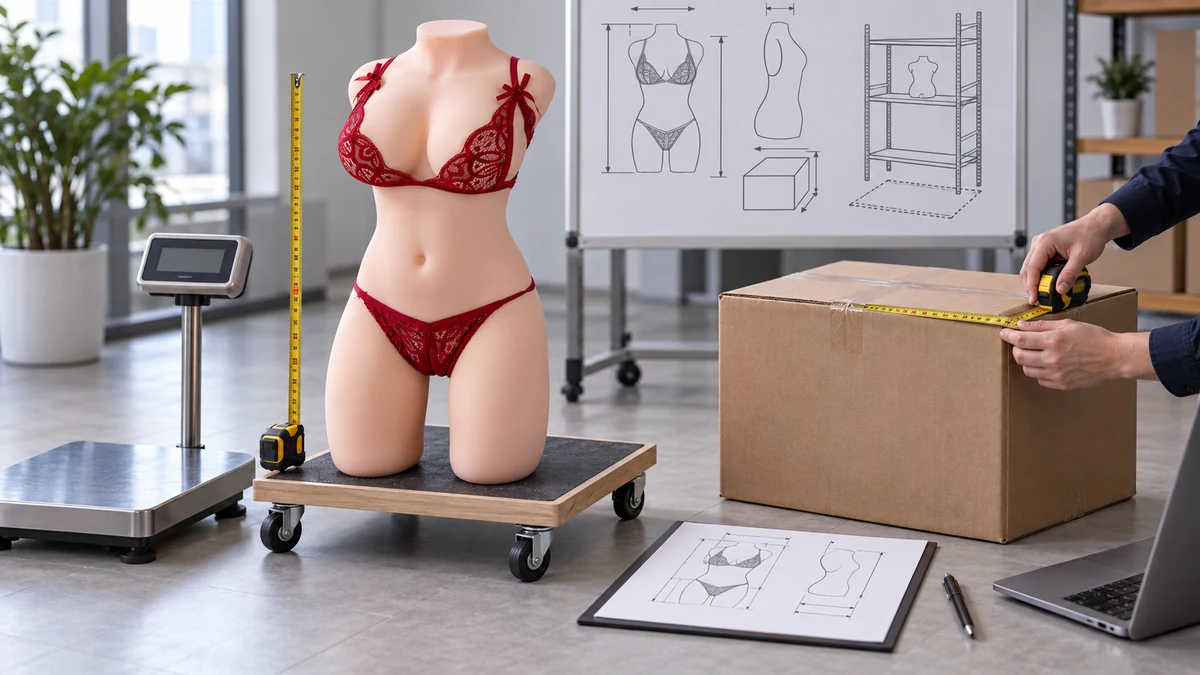
Use the packed dimensions and gross weight of the actual model when freight matters. Do not assume that a lower unit price will produce a better delivered margin.
Step 4: Separate the MOQ questions
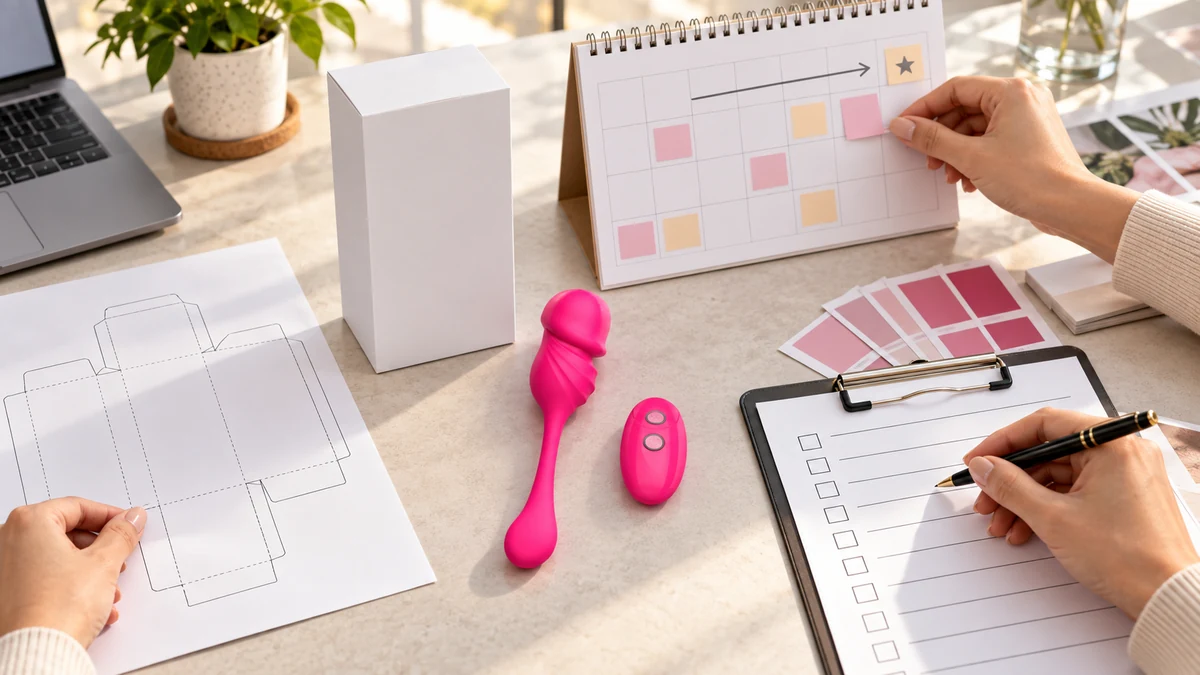
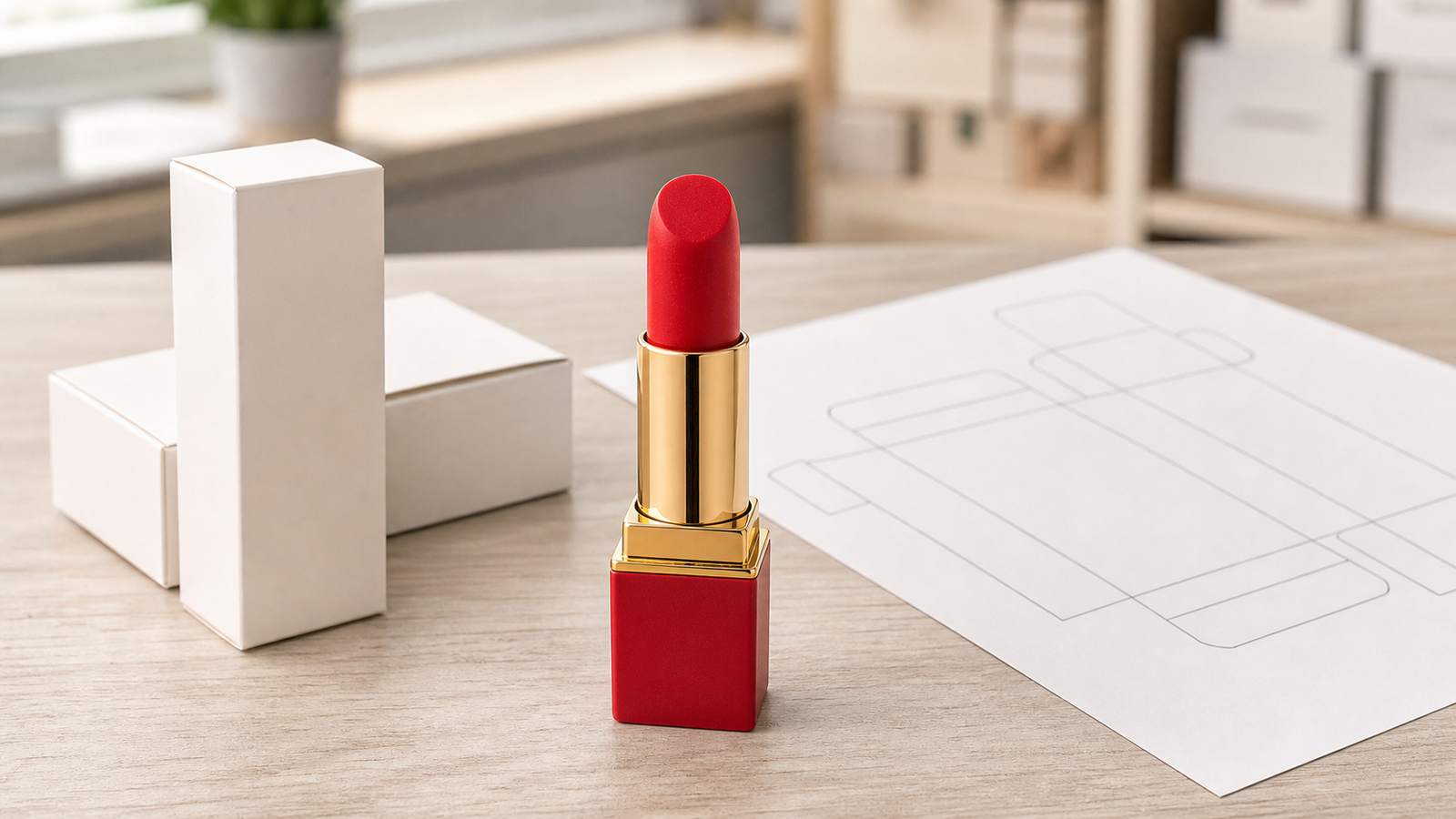
Product MOQ, colour MOQ, logo MOQ and printed-packaging MOQ may be different. A standard model may be available at a small quantity while a custom box or a non-standard material batch has a much higher threshold. Ask for the constraints separately, then decide which branding layer is appropriate for the first test.
For a small launch, a neutral package, an approved label or an insert can be easier to control than a large print run. The right choice depends on the brand plan, not on a blanket rule.
Step 5: Decide the reorder rule before launch
A trial needs a decision rule before feedback arrives. Set the period, the observations to collect and the next action if the evidence is strong, mixed or weak. Useful signals may include qualified inquiries, sell-through, delivered margin, repeatable availability, product questions, packaging feedback and verified quality issues.
A single positive comment or a single complaint should not automatically decide the range. Keep the original question visible so the team can distinguish a real signal from noise.
Step 6: Request a trial plan with the right inputs
AIYUEWEI can review a B2B trial brief when the buyer provides the destination, sales channel, target price band, category direction, quantity or budget range, packaging preference and decision to be tested. Exact stock, MOQ, product documentation, lead time and freight must be confirmed against the selected model and route before an order is placed.
Before sending the brief, buyers can also use our adult toy supplier evaluation checklist to review documentation, quotation scope and approval controls.
Trial-order worksheet
- Core item: Could this become a repeat SKU? Exact model, package, target price and availability check.
- Controlled comparison: Will a different price or feature change demand? Comparable use case and measure.
- Packaging test: Does the presentation fit the channel? Version, artwork, carton protection and feedback method.
- Reorder rule: What happens after the evidence period? Thresholds, owner and next action.
Frequently asked questions
How many products should a first trial include?
Use the smallest set that can answer the chosen question while meeting the relevant commercial constraints.
Does low MOQ always mean a higher unit price?
Not always, but small runs can change packaging and freight economics. Compare the total controlled test cost, not the item price alone.
Can ready stock and production items be combined?
It may be possible, but the buyer should confirm packing dates, version control and whether the items should ship together.
Plan the next step
For a useful sourcing discussion, send the market, channel, category, planned test quantity, packaging direction and the decision your trial order needs to support. AIYUEWEI can review which details must be confirmed before a workable trial quotation is prepared.