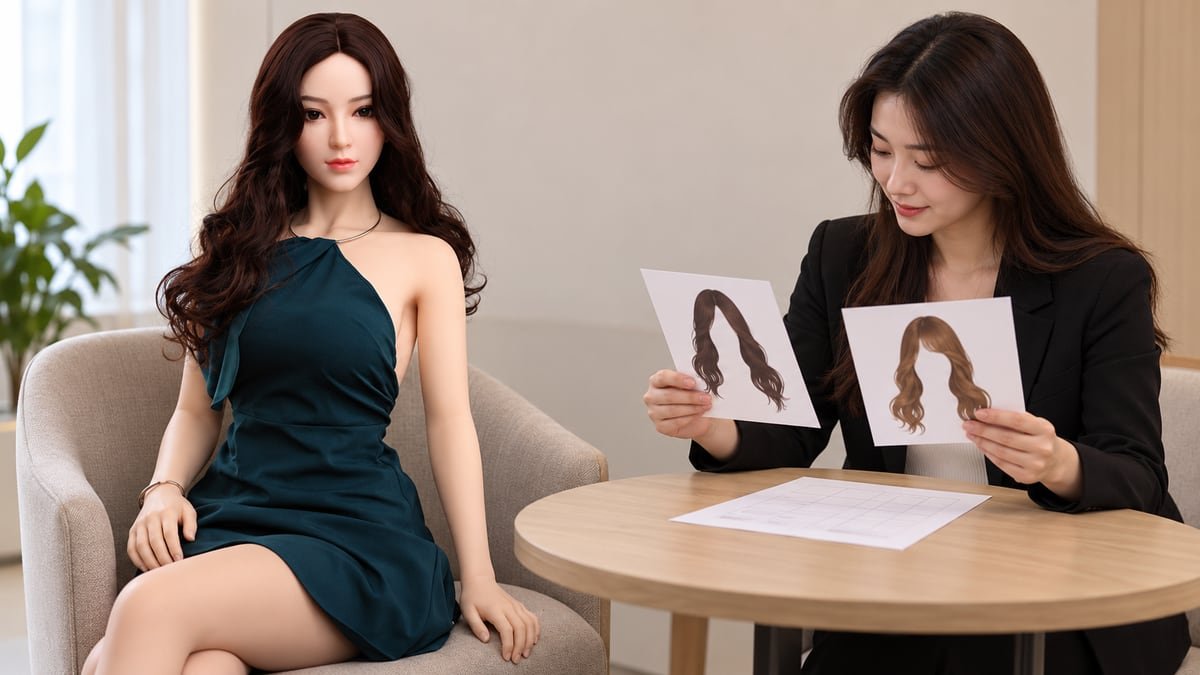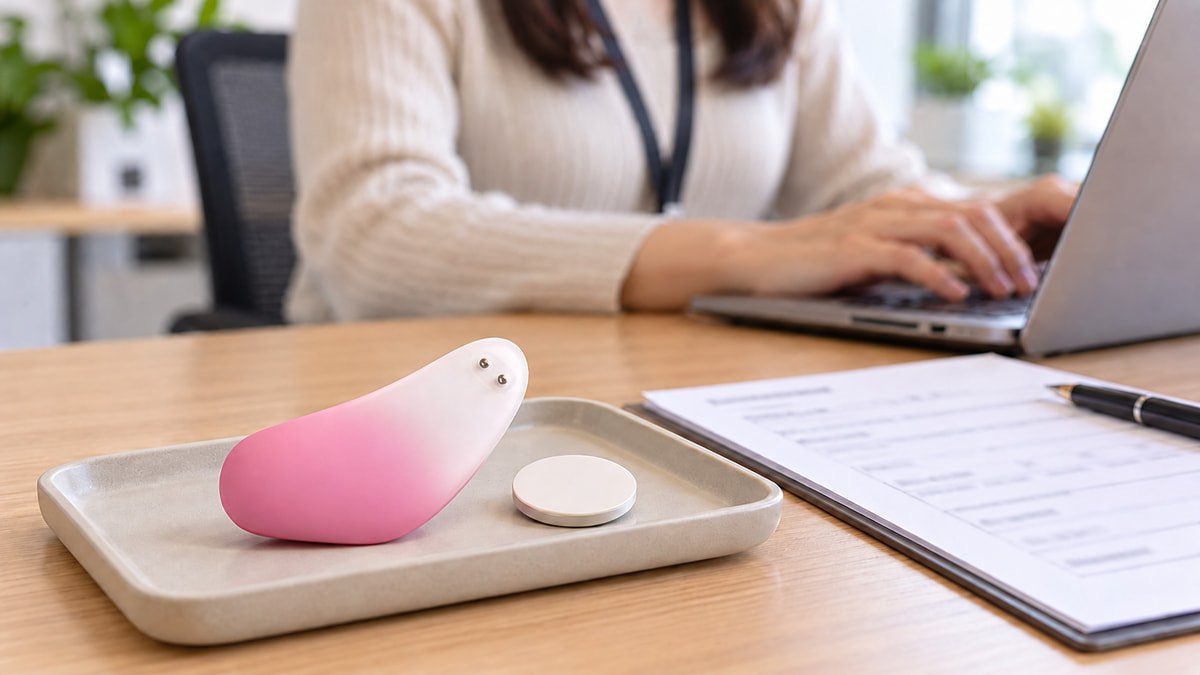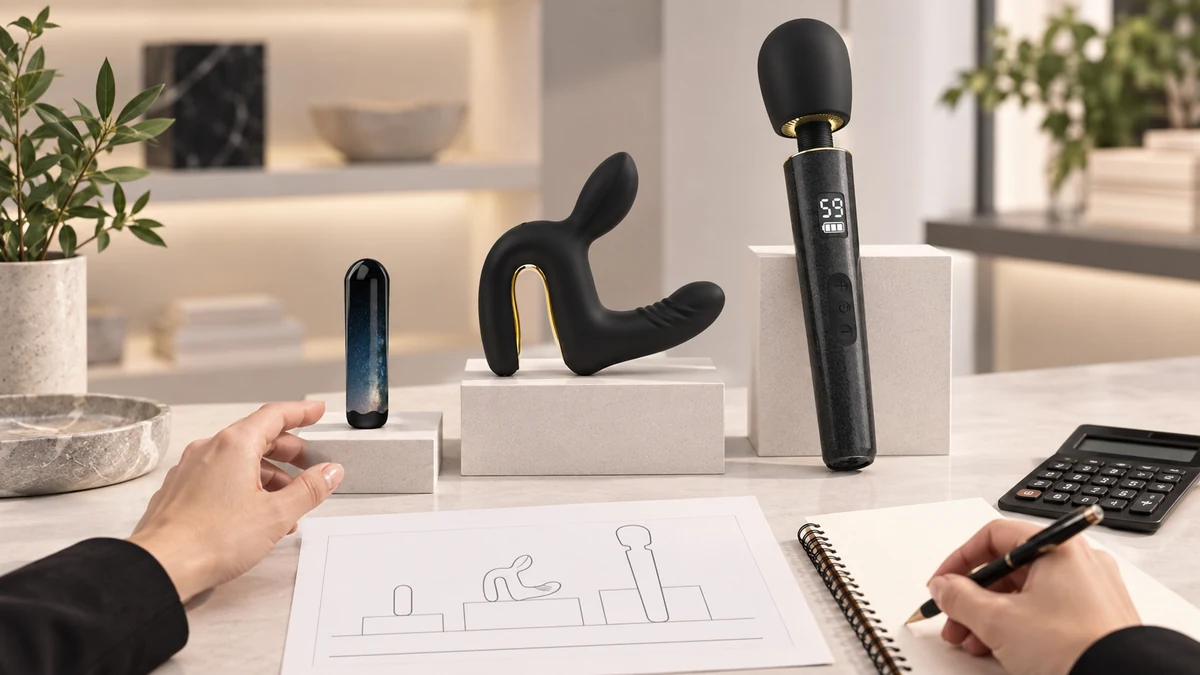
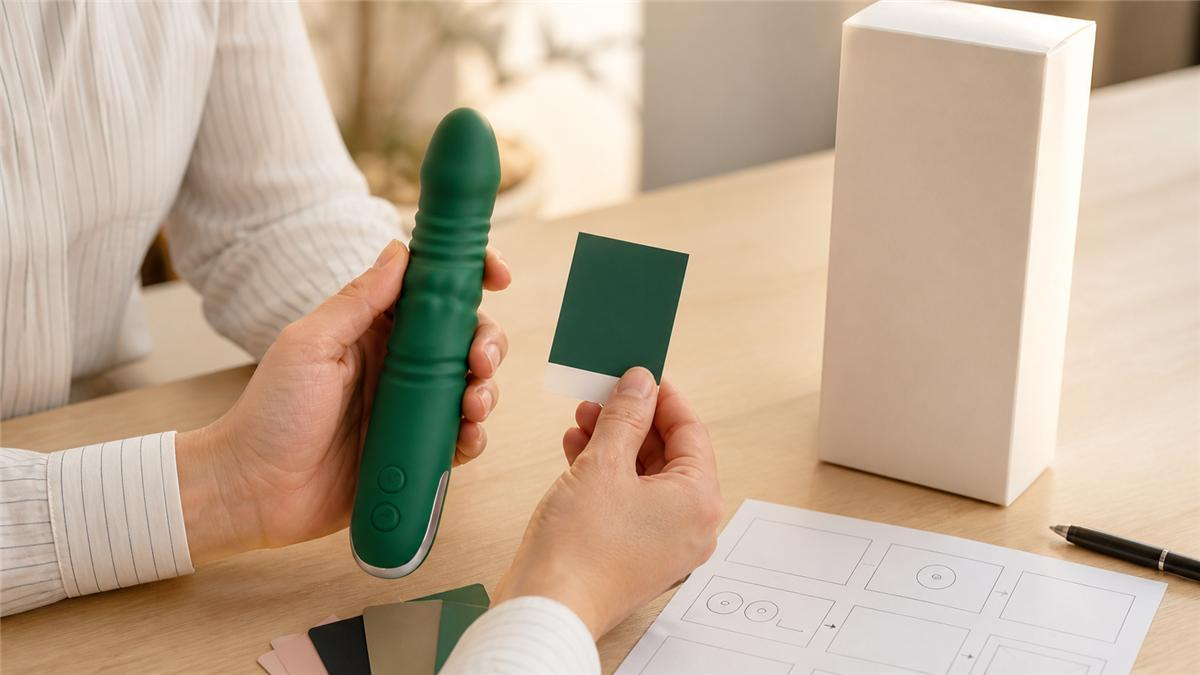
Many brands treat product differentiation and developing a completely new product as the same decision when they start a private label sex toy project.
The project then begins with a new shape, a new structure, new tooling and several custom features. The problem is that the brand commits development money before it has proved what customers will actually pay for. The product may look different from competing items, but the brand still does not know whether that difference changes the purchase decision.
A better starting question is simple: what must a customer see, understand or experience before this product feels more suitable for them?
If the answer can be delivered through an existing product platform, a clearer product role, limited customization, a logical bundle or stronger sales content, a brand does not always need to begin with new tooling. New tooling should solve a problem that an existing structure cannot solve. It should not be used merely to prove that a product was customized.
Turn "different" into a specific reason to buy
"More premium", "more branded" and "different from competitors" are not workable product requirements.
A useful differentiation goal should be easy for a customer to understand in one sentence. For example:
- The controls are easier for a first time buyer to understand.
- The bundle supports one complete use case, so the customer does not have to guess what belongs together.
- The size, controls and cleaning information are clearer, which reduces uncertainty before purchase.
- The collection covers different prices and functions in one visual style, while every product still has a distinct role.
None of these goals automatically requires new tooling. They first require the brand to define its customer, sales channel and purchase barrier. Only then can the team decide whether to change the product, bundle, packaging or content.
Shopify’s explanation of product differentiation includes design, customization, pricing and service as possible sources of differentiation. Not every method applies to every sex toy project, but the principle is important: product structure is only one part of differentiation.
Route 1: Give the product a clear role
An existing product should not enter a new brand with only a different logo. The brand should first decide what job that product performs within the range.
For example, a product with a simple structure and intuitive controls may reduce the barrier for first time buyers. A larger product with broader control options may serve as a clear upgrade. The distinction must come from verifiable specifications and usage logic, not from giving two similar products different adjectives.
Write three fields before choosing a product:
- Which customer or buying stage is it mainly for?
- What is the main problem it solves?
- Why would the customer choose it instead of another product in the same collection?
If these questions cannot be answered clearly, the product does not yet have a brand role. Changing the color and packaging at this stage creates a visual change, but not a complete point of differentiation.
Route 2: Build a bundle around one use case
A bundle is not two slow moving products placed in the same box. A useful bundle supports one buying task, and every component has an independent purpose.
A brand might build around a first purchase, a couples experience, travel storage or gifting. It should still verify product compatibility, package contents, total volume, cost, minimum order quantities and after sales responsibility. If two products do not share a credible use case, combining them only to raise the order value can look like a clearance tactic.
Shopify’s guide to product bundling explains how a logical bundle can increase perceived value and create differentiation. For a sex toy brand, the important point is not to add a free item. It is to help the customer complete one clear task more easily.
Use three questions before testing a bundle:
- Do both products serve the same customer or use case?
- Can the customer understand within ten seconds why they belong together?
- If one item is unavailable, is there a practical substitute that preserves the purpose of the bundle?
If any answer is no, revise the bundle before ordering gift boxes.
Route 3: Change one light customization layer that affects the purchase
Color, logo placement, packaging and accessories can all create distinction, but they often have different minimum quantities, costs and production schedules. Changing everything at once makes it difficult to learn which change actually influenced demand.
For a first test, choose one main variable:
- If the goal is stronger recognition on a shelf or product page, test the product color or visual system first.
- If the goal is clear brand ownership, test a consistent logo position and brand information.
- If the goal is easier product understanding, improve the way the front of the package communicates use, size or the primary function.
- If the goal is a complete use case, test a compatible accessory or a logical bundle.
There is no universal cheapest option. Feasibility, minimum quantity, unit cost and lead time must be verified for the specific product and packaging plan. Our guide to private label sex toy MOQ layers explains why product, color, logo and packaging minimums often do not match.
Route 4: Turn product information and sales education into brand assets
Similar products often become easier to distinguish when customers can understand them quickly.
Accurate dimensions, realistic scale images, clear control instructions, package contents, cleaning boundaries, use cases and honest product comparisons help both retail staff and end customers make a decision. Content cannot replace product quality, but it can reduce the feeling that every option looks the same.
Established B2B brands also treat media and education as channel support. The Lovehoney Group B2B Partner Center provides product images, sales materials and retail guidance to partners. The useful lesson is the method. Brands should not copy those resources or assume that AIYUEWEI offers every service shown there.
A minimum useful sales content package should answer:
- What does the product look like from the front, side and around its key structure?
- What are the real dimensions, and how large are the included accessories in comparison?
- What is a first time user most likely to misunderstand?
- What is the verified upgrade compared with the next product in the range?
- What information does a salesperson need, and what belongs on the product page?
When these answers are complete, a brand can create a clearer buying experience even when the product is based on an established platform.
When light differentiation is no longer enough
Avoiding new tooling is not a permanent rule. If sales, inquiries, returns or user feedback show that an existing structure cannot solve an important problem, deeper development may be justified.
Reconsider the development scope when:
- The target function requires mechanical or electronic design that the current platform does not have.
- The size, load position or control method needs a structural change.
- The required material, component or performance cannot be supported by the existing platform.
- The required documents, testing or use boundaries do not match the current product.
- The brand needs a contractually confirmed exclusive structure that the current supply option cannot provide.
At that point, write the objective as a verifiable product brief before discussing structure, samples, tooling, testing and project timing. Our OEM, ODM and private label adult product guide can help separate light private label work from deeper development.
A practical first validation sequence
Use this sequence to turn a differentiation idea into a testable project:
- Choose one target customer and one purchase barrier.
- Shortlist three existing products whose structures and information can be verified.
- Write one customer friendly reason to buy for each product.
- Select one main differentiation layer: product role, bundle, light customization or content.
- Verify the relevant MOQ, sample, unit price, packaging and timing conditions. Our sex toy RFQ guide shows which product options should be confirmed before a supplier can give a comparable quotation.
- Test with a real product page, inquiries, a limited sales run or downstream buyer feedback. Do not rely only on whether the internal team likes the idea.
- Consider new tooling only when evidence shows that the existing platform is restricting growth.
This sequence cannot guarantee success, but it reduces the risk of locking in development cost before the purchase reason has been tested.
How AIYUEWEI Can Help
AIYUEWEI can help a brand separate what should stay standard from what it wants to change, based on its target market, sales channel, main customer and intended price position. For a specific project, we can verify product specifications, available colors, logo positions, packaging options, accessory combinations, MOQ layers and available media, while listing unknown items separately.
We do not promise exclusive structures, fixed MOQs, lead times or customization feasibility without written confirmation from the relevant supply partner. The useful next step is to narrow the differentiation objective first, then verify the conditions attached to it.
Frequently Asked Questions
Is adding a logo enough to create real private label differentiation?
A logo establishes brand ownership, but it rarely explains why a customer should choose the product. A stronger offer also needs a defined customer, product role, reason to buy and useful sales content.
Will an existing product platform make my product identical to other brands?
It can. Confirm whether the platform is widely available, which parameters can be changed and whether any exclusivity is documented in writing. Do not advertise exclusivity that has not been confirmed.
Can better packaging support a higher price?
Packaging can improve understanding and brand consistency, but it does not prove product value by itself. A larger box or more decorative copy is unlikely to create a stable premium when the product, experience and support remain unchanged.
When is new tooling worth evaluating?
Evaluate deeper development when an important customer need has been confirmed, the existing structure, size, function or components cannot meet it, and expected volume, margin and project resources can support development and validation.
Next Step
Share your target market, sales channel, main customer, product reference, planned quantity and intended point of difference through the AIYUEWEI inquiry page. We can separate the project into items that can be tested on an existing platform, light customization items and items that require further development before deciding whether new tooling is necessary.